Blue People of Kentucky: The Fugates of Troublesome Creek
In 1975, in a hospital near Hazard, Kentucky, a baby arrived the color of a bruise.
Not pale. Not “a little off.” Blue. Deep indigo, scalp to heel.
Nurses froze. Doctors assumed his blood was poisoned. An ambulance was called. A transfusion was being readied for a one-hundred-and-sixteen-mile run.
Then the grandmother spoke from the corner. She was not afraid. She had seen this color before.
Have you ever heard, she asked, of the blue Fugates of Troublesome Creek?
What she knew — and what those doctors did not — had been living in those hills for six generations.
They were real
They were called the Blue Fugates. For almost two hundred years they were not a campfire tale.
An Appalachian bloodline born with skin the color of twilight. Not painted. Not dying in any way you could see from the porch. Just blue.
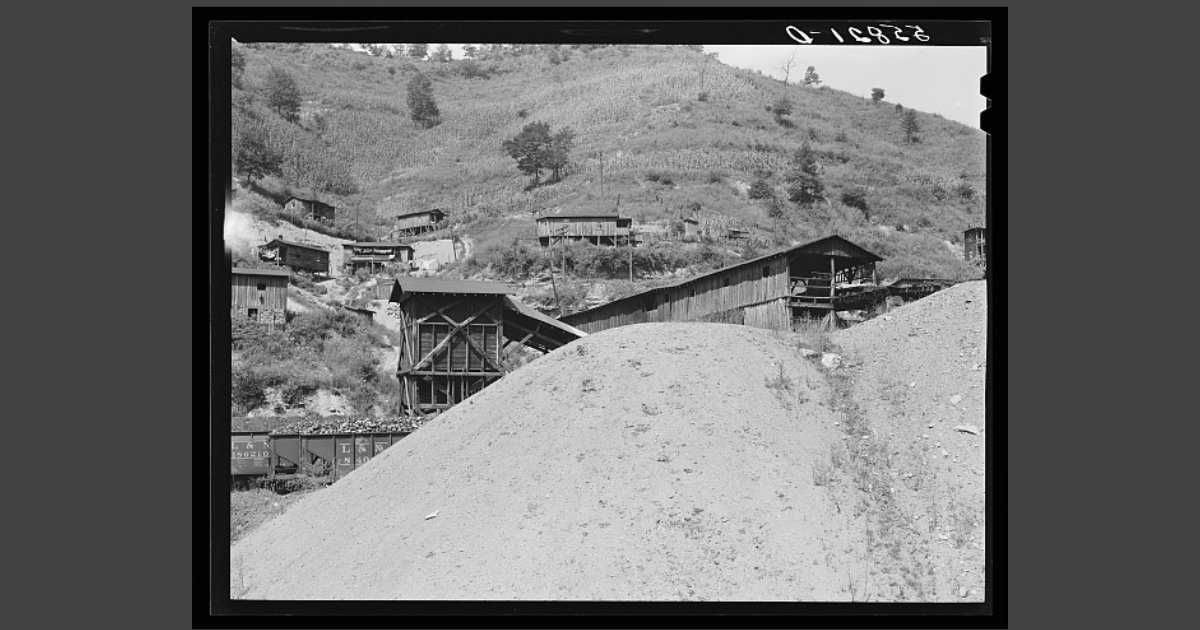
They lived in the hollows around Troublesome Creek and Ball Creek — a corner of the mountains so far from a road that the rest of America barely knew the place existed. Fugates. Combses. Stacys. Ritchies. Faces that would stop a stranger in the dirt.
This is not a ghost story. It is documented American history. Almost nobody was taught it.
A marriage neither of them could see
Around 1820, Martin Fugate came looking for land. He settled the wild banks of Troublesome Creek and married Elizabeth Smith — pale, red-haired, mountain-laurel fair by every account that survives.
Neither of them could have known. Buried in both was the same rare recessive gene. Alone, it was harmless. Invisible for a lifetime.
Together, in the same cabin, they lit a fuse that would burn through six generations.
Four children the color of dusk
When the babies came, the mountains held still.
Of Martin and Elizabeth’s children, four were born blue. Blue as a bruise. Blue as deep water. Blue as no midwife in those hills had language for.
Picture the firelit room. A healthy, screaming newborn. No hospital. No doctor for a hundred miles. And the child thrived.
They nursed. They ran the ridges. They were not dying. They were not in pain. They were robustly alive.
And permanently blue.
That was the horror and the wonder in the same breath.
The blood was brown. The skin read blue.
Your blood is red because of hemoglobin — iron that grabs oxygen in the lungs and carries it everywhere.
The body also makes a little broken version: methemoglobin. It cannot carry oxygen. A quiet enzyme, diaphorase, normally cleans it up and keeps you pink.
The Fugates were born without enough of that enzyme. The broken, oxygen-poor blood built up. That blood is not blue. It is dark chocolate brown.
Seen through pale skin, brown blood reads as indigo.
They were not cursed. Their chemistry was different. It painted them the color of evening.
A locked room in the hills
One blue family should have faded in a generation. Recessive genes need both parents.
In an ordinary town the odds of two silent carriers marrying are almost nothing. Troublesome Creek was not an ordinary town. It was a locked room.
No road. No railroad. No strangers. The same handful of families married one another because there was no one else. The gene had nowhere to go. It circled. It concentrated.
A Fugate son married his aunt. Cousins married cousins. A descendant later looked at the tree and said the line that still stops people: I am kin to myself.
Luna
If you want the heart of it, meet Luna Fugate.
Born in the 1880s. By every account the bluest person anyone there had seen. People traveled miles just to look.
She was not a tragedy on a porch. She married John Stacy. She raised thirteen children. She worked and loved and buried and lived on that mountain into her seventies. Blue skin and all.
The thing that made the Fugates famous was never a disease that killed them. It was a color. The color did not hurt them for a day of Luna’s life.
The mountain did not shame them. The road did.
As tracks crept in and outsiders reached the hollows, the blue people learned a new word for themselves: wrong.
Strangers stared. Some crossed themselves. Some whispered devil and mark and possession.
A brother and sister — Rachel and Patrick Ritchie — later stood in a doctor’s hallway and would not sit in the waiting room. The doctor remembered the color second. He remembered the shame first.
Their bodies never turned on them. People did.
Watch the documentary
A page can name the enzyme. It cannot show the hollow, or the grandmother in that delivery room.
The film from Old America Was Insane walks Troublesome Creek: the gene, the doctor who hiked toward it, and the boy who was the last.
The doctor who would not sell them
In 1960, Dr. Madison Cawein III, a blood specialist at the University of Kentucky, heard the whispers and would not leave them as rumor.
He drove Lexington to Hazard on roads that ate a day. He found nurse Ruth Pendergrass, who had been trying for years to make someone take the blue people seriously.
They hiked. Dogs in every yard. Blue figures who saw them coming and vanished over the ridge. Cawein nearly quit.
Then the clinic door opened. Rachel and Patrick walked in. Blue, both of them.
He tested the blood. He read old journals — including work on a similar enzyme gap in isolated Alaskan communities. He named it: missing diaphorase.
The cure that sounds like a joke
To turn a blue person pink, Cawein reached for a common dye: methylene blue.
He injected a blue dye to treat blue skin. The dye gave the blood the spark it lacked. Brown blood converted back.
It worked in minutes. Hands went from indigo to rose. An old man watched and said he could see the old blue running out of his skin.
Two centuries of color. Undone by a dye that shared its name.
He said no to the cameras
When the story leaked, television wanted the Blue People as a Tuesday-night oddity.
Cawein said no. A crew reached Kentucky and was run out of the hollows by those same dogs, without a frame.
Years later he laughed telling it. Ruth Pendergrass said they were poor people. But they were good.
In a story full of stares, one doctor and one nurse chose not to make a spectacle.
Benjy was the last
Which returns us to that room in 1975. The baby was Benjamin Stacy. Benjy.
His line ran back to Martin Fugate. His great-grandmother was Luna.
The doctors panicked. The grandmother was right. He was healthy. Over weeks the deep blue faded. What remained was a flush in the lips and fingertips when he was cold or angry.
Benjy is the last known Fugate descendant born blue. Roads opened. The mountains emptied. Marriage left the hollow. The gene found room to thin.
The color that lasted two centuries in a locked valley ended with a healthy boy.
It was never a curse. It was a color, and a family America found easy to forget.
Old America was insane.
More on Stories. Another body the powerful treated as a problem: Rosemary Kennedy. About.
Wrong date? oldamericainsane@gmail.com.
Frequently Asked Questions
Are the blue people of Kentucky real?
Yes. The Fugates of Troublesome Creek were a real family. Some members were born with blue skin because of a rare inherited condition called methemoglobinemia. The last known blue-born descendant was Benjamin Stacy in 1975.
Who were the blue Fugates?
They were a family in eastern Kentucky, near Troublesome Creek and Ball Creek. The line is usually traced to Martin Fugate and Elizabeth Smith. Isolation and intermarriage kept the recessive gene active for generations.
What caused their blue skin?
Methemoglobinemia. A missing enzyme meant their blood carried too much methemoglobin, which gives a blue tint. They were otherwise healthy. In the 1960s Dr. Madison Cawein treated some family members with methylene blue, which temporarily turned their skin pink.
Who was Benjamin Stacy?
Benjamin “Benjy” Stacy was born in 1975. He was blue at birth. Doctors prepared for a serious problem until his grandmother recognized the color. His blue faded within weeks. Only a faint tint remained in his lips and fingertips when he was cold or upset. He is considered the last known Fugate descendant born visibly blue.
Did the Fugates disappear on purpose?
No. As roads opened and people married outside the hollows, the gene became less concentrated. The blue simply washed out of the bloodline. What remained was a story most history books ignored.
Are there still blue people in Kentucky?
No living Fugate is known to be blue today. Benjamin Stacy was the last recorded case of a child born with the visible color. The condition can still appear in other families with the same rare gene, but the Troublesome Creek line ended with him.
Sources
- Blue Fugates — Wikipedia overview
- Cathy Trost, “The Blue People of Troublesome Creek,” Science 82 (1982)
- Cawein et al., hereditary methemoglobinemia, Archives of Internal Medicine (1964)
- ABC News / family and Benjy Stacy account
- HistoryExtra summary