John Harvey Kellogg: The Doctor Who Weaponized Breakfast
Every morning, in almost every American kitchen, someone opens a box with a rooster on it.
They pour the flakes. They add milk. They eat.
The man who invented that food did not design it to be delicious. He designed it as a weapon against the body. The company that still sells his name has spent a century making sure you never ask why.
This is John Harvey Kellogg. After this, the bowl will not look the same.
A sick boy in a broom factory
He was born February 26, 1852, in Tyrone Township, Michigan. Fifth of sixteen children. Six of those children died of infection before adulthood.
John nearly joined them. Tuberculosis damaged a lung. He stayed small, sickly, and afraid his body would fail him. He lived to ninety-one with that fear still in the room.
The family joined the Seventh-day Adventists and believed the Second Coming was so close that school seemed pointless. At ten he sorted brooms in his father’s factory.
The frail boy who feared death before ten spent eight decades trying to control other people’s bodies the way he could never control his own.
Two obsessions: the bowel and desire
The theory that ran his life was called autointoxication. Undigested food, the idea went, rotted in the intestine, leaked toxins into the blood, and caused almost every disease — headache, melancholy, cancer, insanity.
Kellogg did not invent the theory. He became its loudest American priest.
Then he stacked a second doctrine on top. Sexual arousal — what his century called self-abuse — was, to him, a disease. In his own books he tied it to epilepsy, blindness, ruined memory, even a person “dying by their own hand.”
Every machine. Every diet. Every flake. Those two obsessions.
Corn Flakes were never really about breakfast. They were one weapon aimed at both.
The flake was not a joke. It was a system.
Here is the line the box will never print.
Kellogg believed rich food, spice, meat, and anything that tasted like pleasure inflamed “the passions” — worst of all in children. His answer was food so bland it might smother desire at the source.
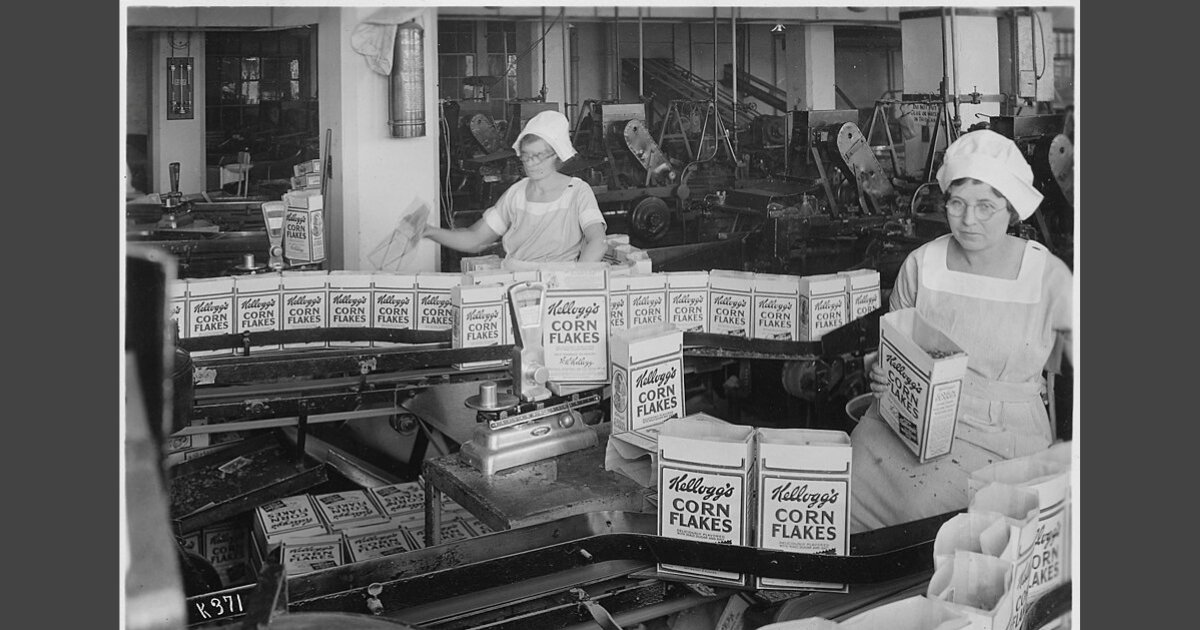
In 1894 boiled wheat sat too long in the sanitarium kitchen, went through rollers, and baked into a thin flake. He filed the patent on May 31, 1895.
He prescribed it to parents of teenage boys. He pushed it on patients.
The internet loves a shorter version: he invented cereal only to stop masturbation. That version is a little too neat. The documented truth is colder. The flake belonged to a whole medical religion he called biologic living — how you ate, bathed, slept, and abstained. Cereal was not the war. It was one gun.
Battle Creek: hotel, lab, and cathedral
In 1876, at twenty-four, he took a failing Adventist health house in Battle Creek and renamed it the Battle Creek Sanitarium. He liked the word. Restore health. Enforce sanitation.
By the early 1900s it held more than a thousand guests. Grand hotel crossed with a laboratory.
Patients rose to marching music. They chewed every bite forty times to a song he wrote, the Chewing Song. Then the catalog of machines.
An electric light bath — a wooden cabinet lined with bulbs — for insomnia, diabetes, gangrene, writer’s cramp. A mechanical horse, because horsemen, he said, were rarely constipated. Calvin Coolidge kept one in the White House after his stay.
Current across the skin. In some treatments, toward the eyes. None of it felt fringe to the people who paid. It felt modern. The richest Americans bought the minutes.
Fifteen quarts a minute
Because he believed the colon was the fountain of disease, he wanted a bowel movement after every meal — the way he claimed healthy apes lived.
Machines pushed about fifteen quarts of water a minute into the intestine.
Then the detail he printed in his own manuals without shame. Yogurt bacteria, he said, could recolonize the gut. Patients drank half a pint. The other half went in by enema.
He took enemas himself, morning and noon. A vibrating chair shook the body to force the bowel to work.
He published it. He was proud. To his decade this was applied bacteriology. He was early to the idea that gut microbes mattered. He was catastrophically sure he knew how to install them.
The names you know walked through that door
Henry Ford came. Thomas Edison. Amelia Earhart, before the fame. Sojourner Truth, late in life. J.C. Penney. Ida Tarbell, who spent a career exposing fraud and still took the treatments. Mary Todd Lincoln. Warren Harding.
Then C.W. Post. He arrived in 1891 broke and desperate. Kellogg told Post’s wife the man might not live. Post left, recovered elsewhere, stole the idea of processed breakfast grain, and built Postum, Grape-Nuts, and a flake rival.
Battle Creek became Cereal City because patients watched the kitchen and walked out as competitors.
Watch the documentary
A page can hold the patent date. It cannot hold the sound of a thousand guests chewing on command.
The film from Old America Was Insane walks Battle Creek: the flake, the brother, the courtroom, and the foundation the box never mentions.
Will added sugar. John never forgave him.
For nearly twenty-five years the younger brother, Will Keith Kellogg, ran the books, the press, the food company. Weeks past a hundred hours. He later wrote the sentence that sits in the family file like a charge sheet: for twenty-two and a half years he had lost all his individuality in John.
Will saw what John would not. The health flake could become a national habit only if people wanted to eat it.
In 1906, while John was traveling, Will sweetened the flakes. Sales jumped. John came home furious. Sugar, to him, was a stimulant and a moral error — the thing his system existed to kill.
Will had the numbers. He bought out the commercial stake and founded what became the Kellogg Company.
John started a competing line under the family name.
The Michigan Supreme Court picked a brother
The fight ran nearly a decade and reached the Michigan Supreme Court. John said he was the famous Kellogg, the healer, and the name belonged to medicine. Will said years of ads had fused Kellogg to the sweetened flake in the public mind.
In 1920 the court sided with Will. John could not use the name prominently on his own food. He paid the costs.
When John was dying in 1943, he dictated a seven-page apology. His secretary decided the letter made the doctor look small and did not get it there in time. Will learned his brother had reached for peace after John was already gone.
They changed what America eats in the morning. They never sat in the same room and said it was over.
The foundation the rooster will not advertise
After the Adventist church expelled him in 1907, Kellogg turned the white suit toward something that had nothing to do with breakfast.
He founded the Race Betterment Foundation in 1914. He hosted National Conferences on Race Betterment at his own sanitarium. Hundreds of self-described experts. Thousands of attendees. Babies and children examined, ranked, and given medals for how closely they matched his idea of perfection.
As early as 1881 he had argued for laws to stop “alcoholic, criminal, insane, and feebleminded” people from having children. Michigan passed forced sterilization statutes. Researchers later counted thousands of operations in the state. Poor people and Black Americans were hit hardest.
The wholesome doctor with the cockatoo on his shoulder was one of the loudest American voices in a movement other countries would take to the edge of the abyss in his own lifetime.
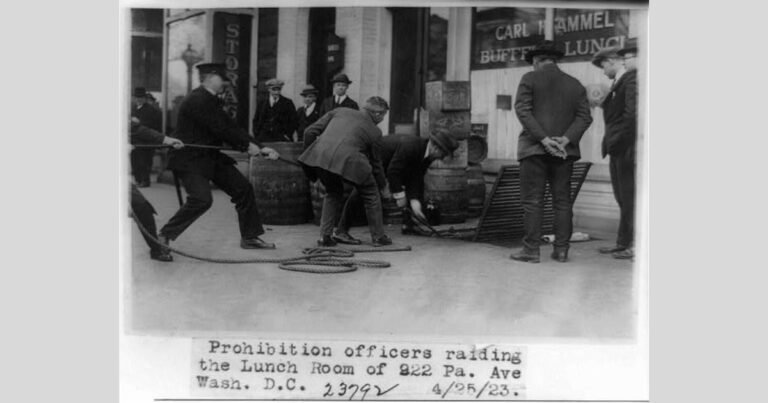
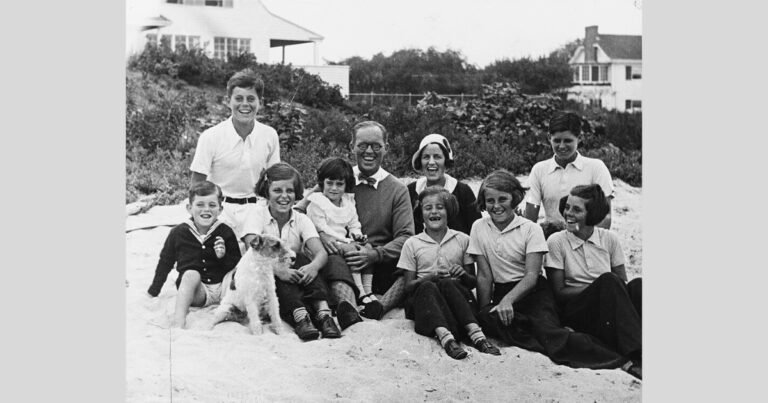
The same country that cut a Kennedy daughter and poisoned drinkers by statute put a healer’s name on a breakfast box.
The sanitarium became an Army hospital
The Depression emptied the rooms that paid for weeks of light baths. Debt never left. In 1942 the federal government bought the main building and turned it into an Army hospital. Presidents’ playground became a ward for wounded soldiers.
Kellogg kept the white suit. Kept writing. Died December 14, 1943, at ninety-one, in the town his father’s broom money helped build. Buried at Oak Hill in that suit. His will left the estate to the Race Betterment Foundation. The apology sat undelivered.
Will died in 1951, also ninety-one, nearly blind. Two brothers. One decade. No recorded conversation in the years between.
The box still will not say why
Someone will open the carton tomorrow and not think about tuberculosis in a Michigan factory. Not think about yogurt written into a manual from both directions. Not think about the brother who worked in a shadow for twenty-two years, then added a handful of sugar and changed American food. Not think about the conferences that ranked babies. Not think about a letter that missed its hour.
The bland flake built to suppress desire became the sugared habit that made a fortune. The man who designed it as a weapon is a name on cardboard.
The cardboard has never once told you why he made it.
Old America was insane.
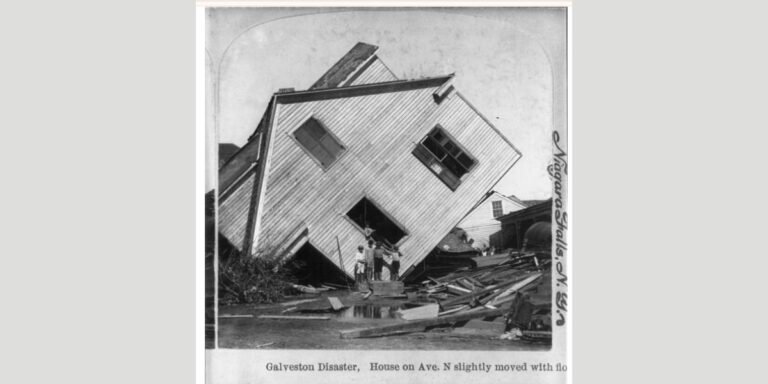
More on Stories. The storm they buried is Galveston 1900. Who we are is on About.
Wrong date? oldamericainsane@gmail.com. It will be corrected in public.
Sources
- Encyclopedia of Seventh-day Adventists — John Harvey Kellogg
- Battle Creek Sanitarium
- Race Betterment Foundation
- Bentley Historical Library — Kellogg brothers / 1920 court
- Howard Markel, The Kelloggs: The Battling Brothers of Battle Creek
- Battle Creek Enquirer, Kellogg and the eugenics conferences (2019)